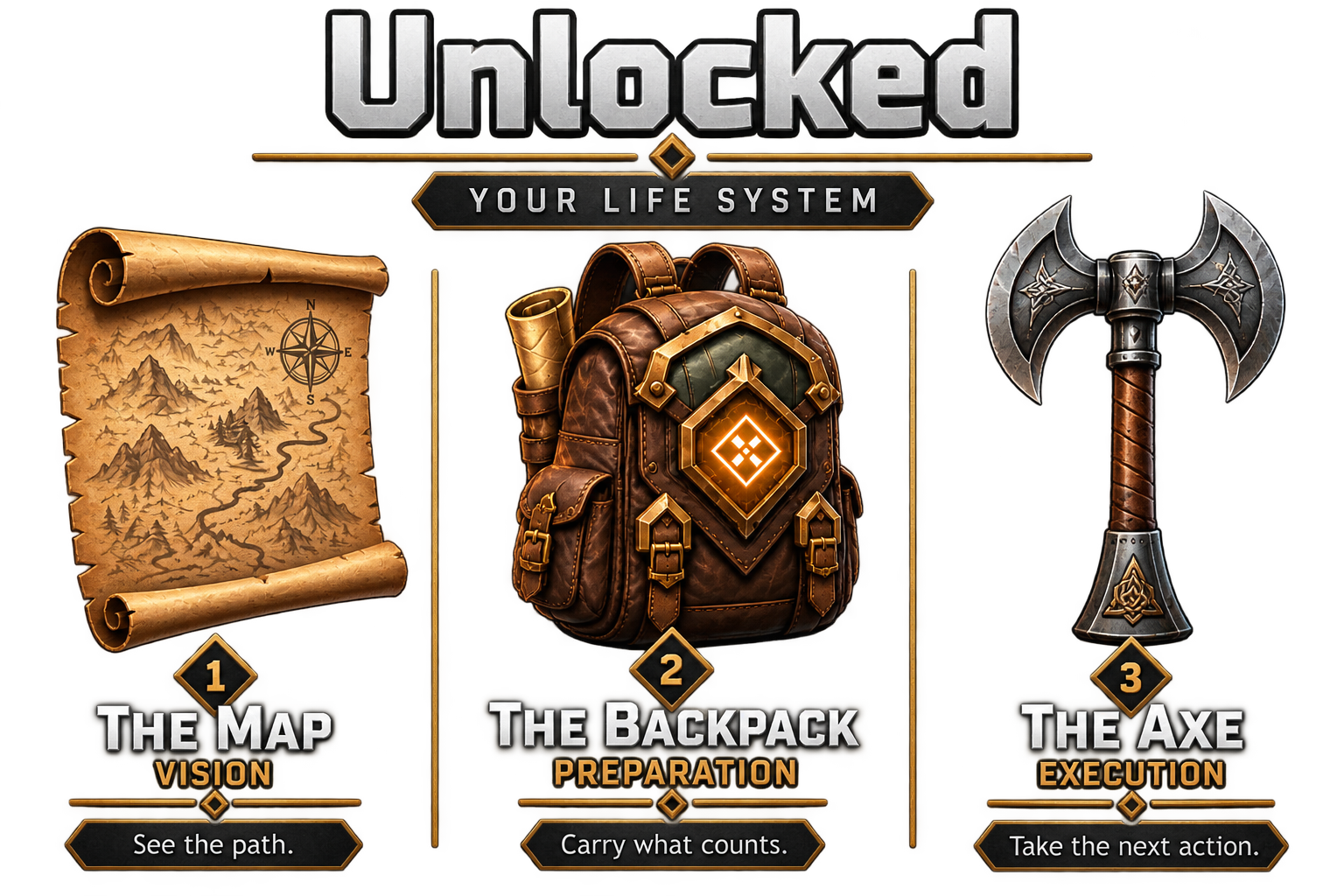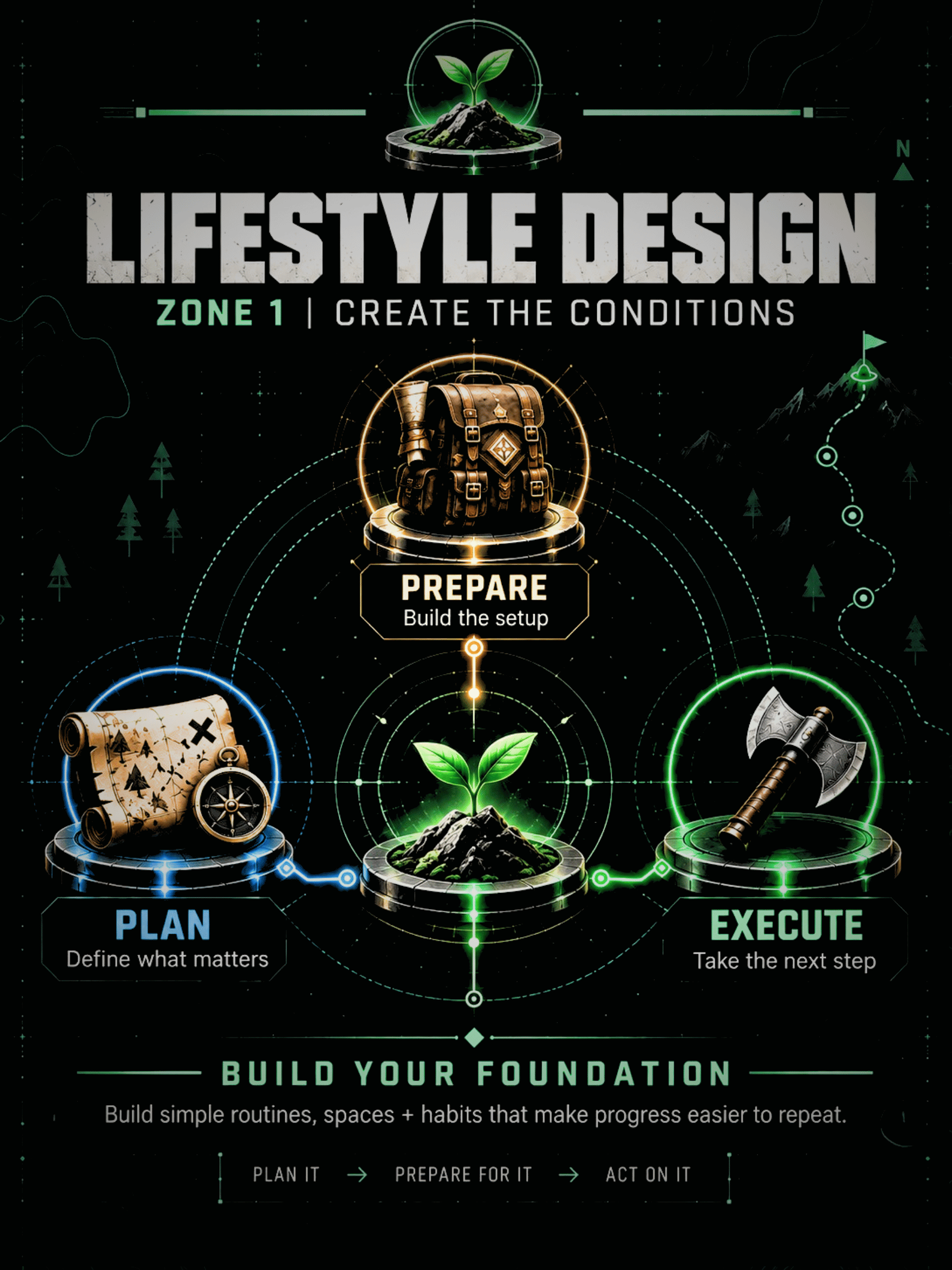
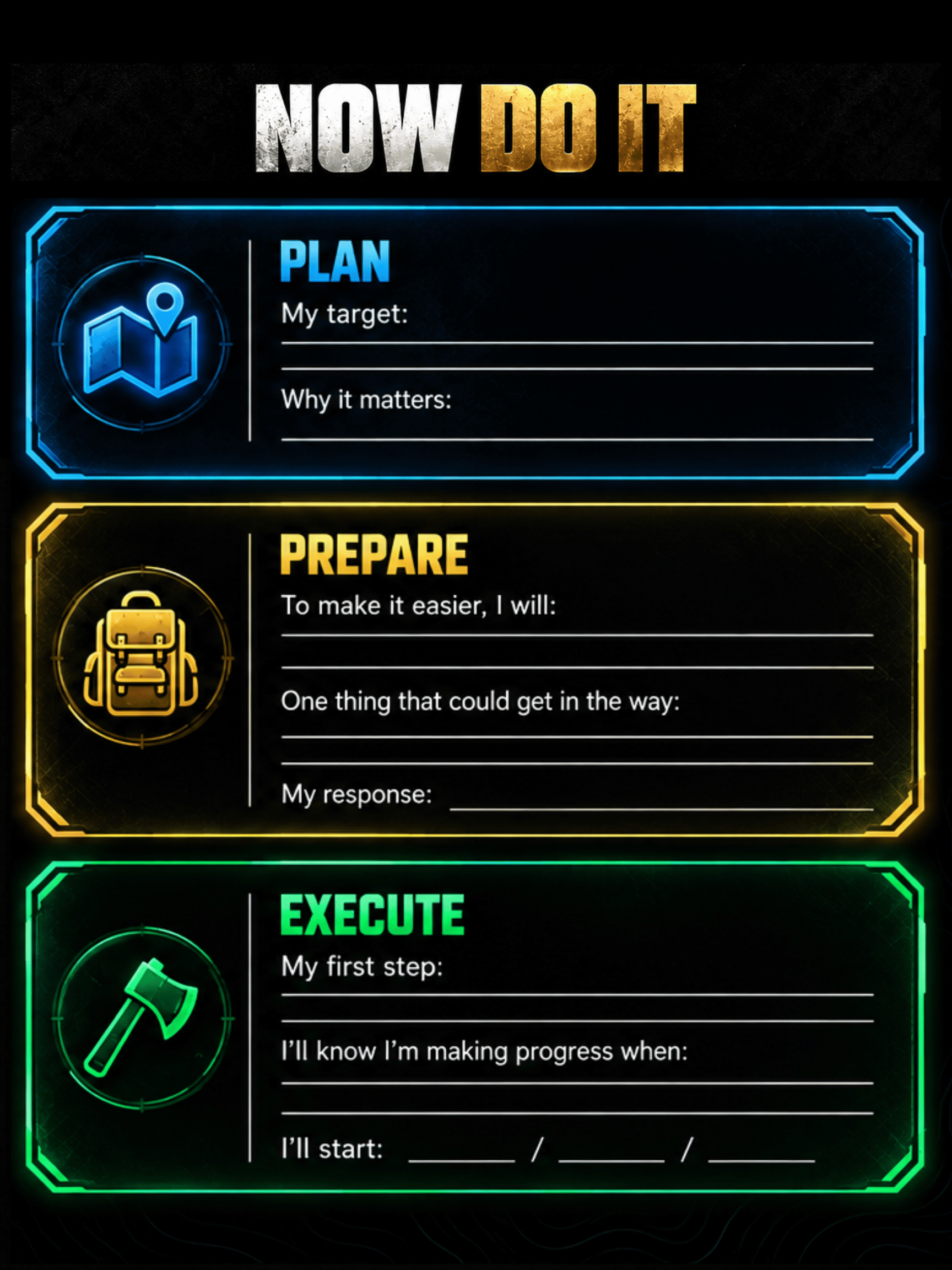
• Lifestyle design is where everything starts, because without clear direction even strong effort becomes scattered and inconsistent. When you don’t know exactly what you’re building, your time, energy, and focus get pulled in too many directions, which is why you can feel busy but still make no real progress. This zone forces you to step back, define what actually matters, and build a structure that supports it so your actions stop competing and start compounding. When your life is designed with intention, decisions feel lighter, progress becomes predictable, and you stop relying on motivation because the system carries you forward.

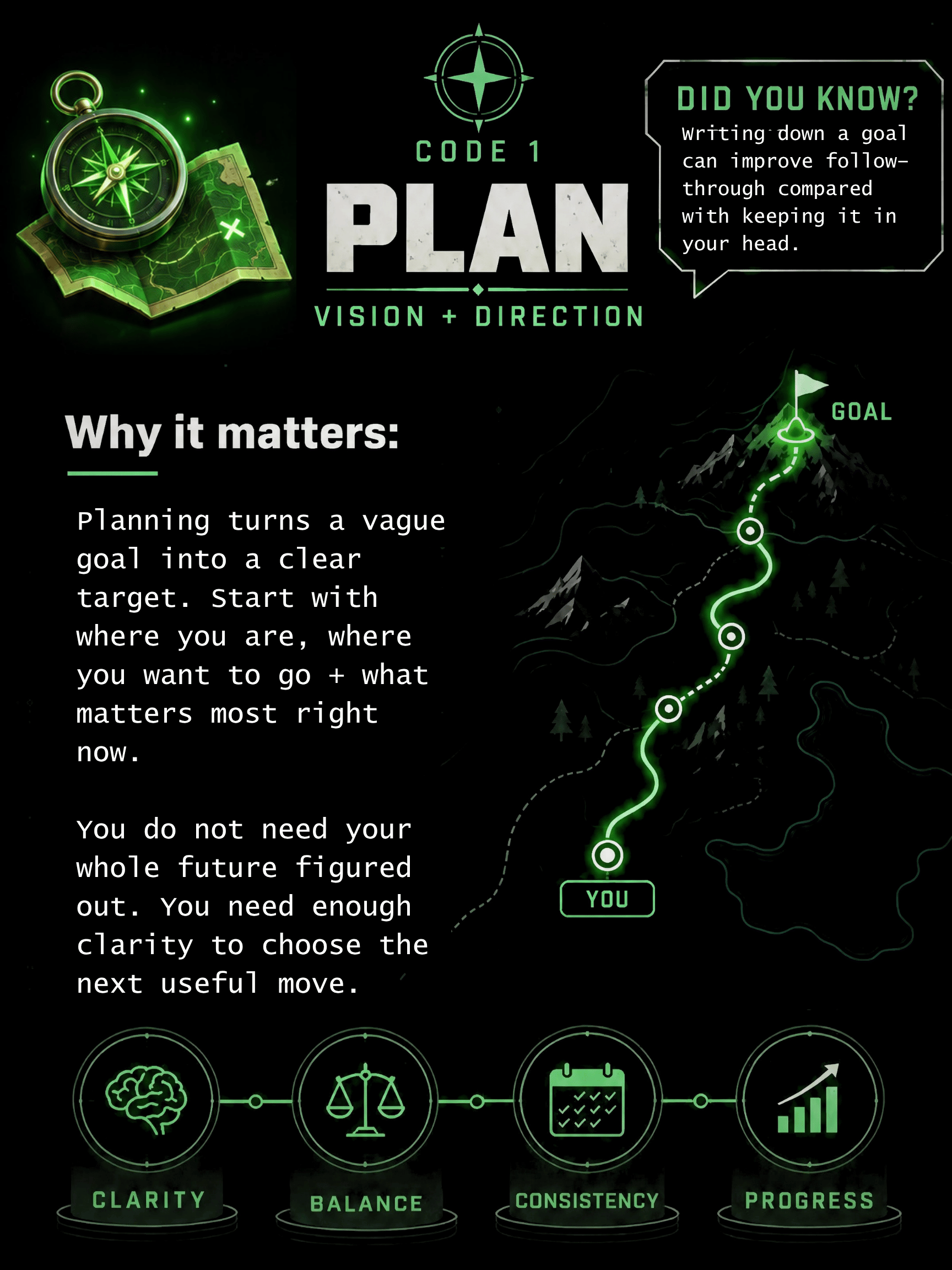
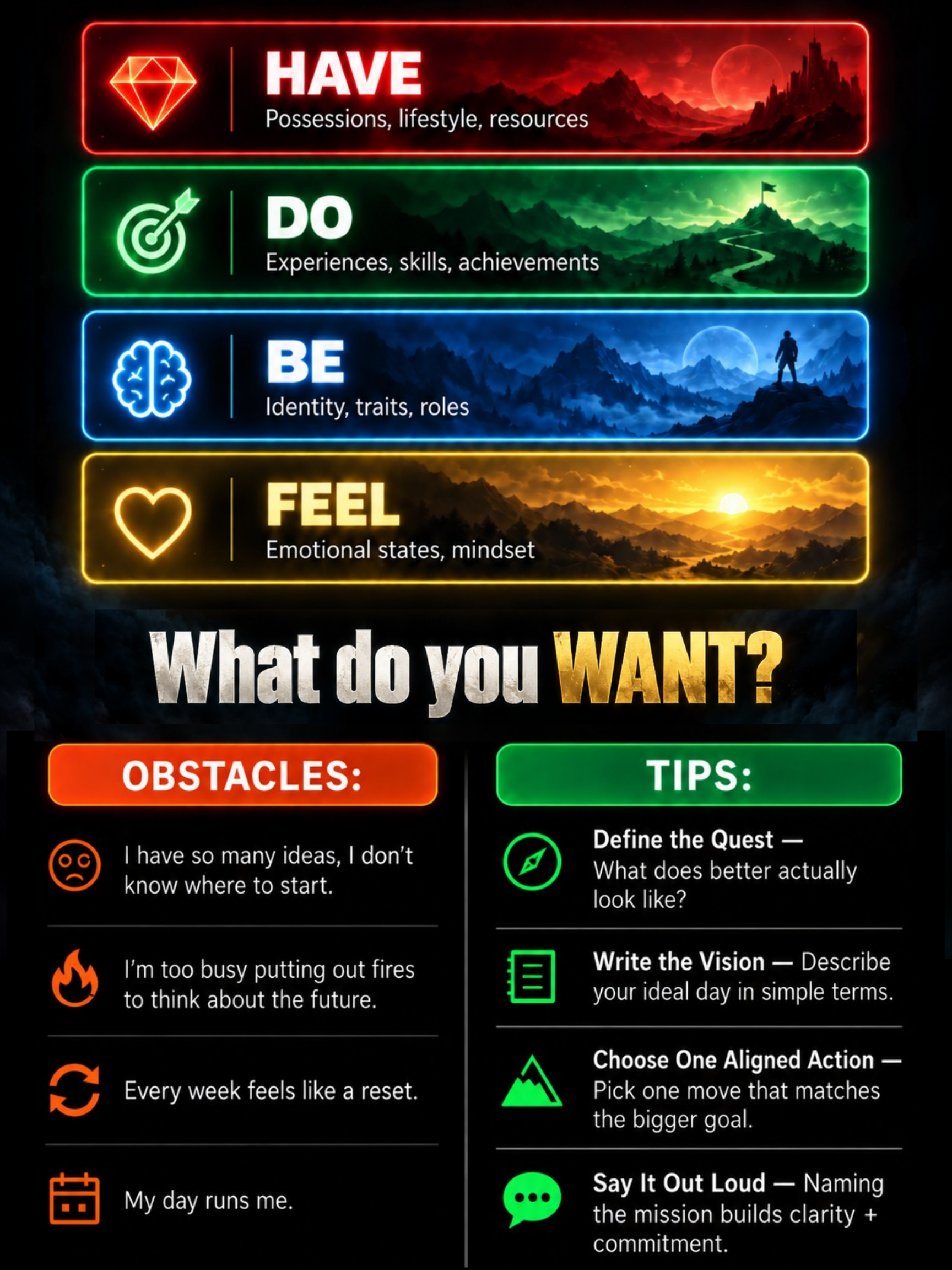
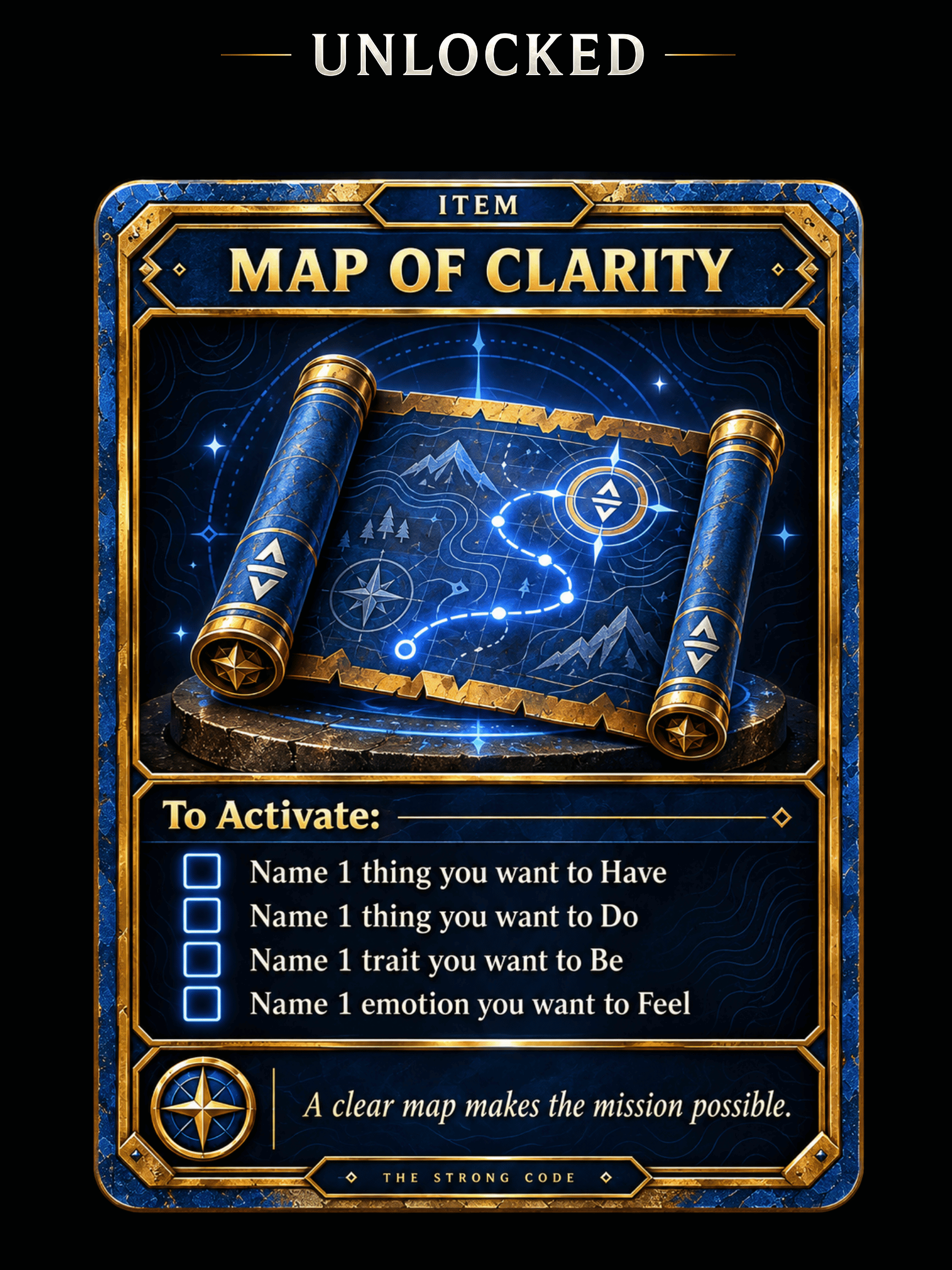
  • Most people don’t struggle with effort—they struggle with direction, which is why they start, stop, and constantly reset. Vision is about defining your Goal Formula so you know exactly what you’re working toward by getting clear on who you want to become, what you want to have, what you need to do, and how you want to feel, then locking in the specifics behind it with a real timeline and a strong reason that actually matters. To make it real, you also define your anti-vision—what you refuse to become and where your current path leads if nothing changes—because clarity isn’t just about what you want, it’s about drawing a line in the sand. When your vision is clear, your brain filters distractions, your decisions get easier, and your actions finally move in the same direction.

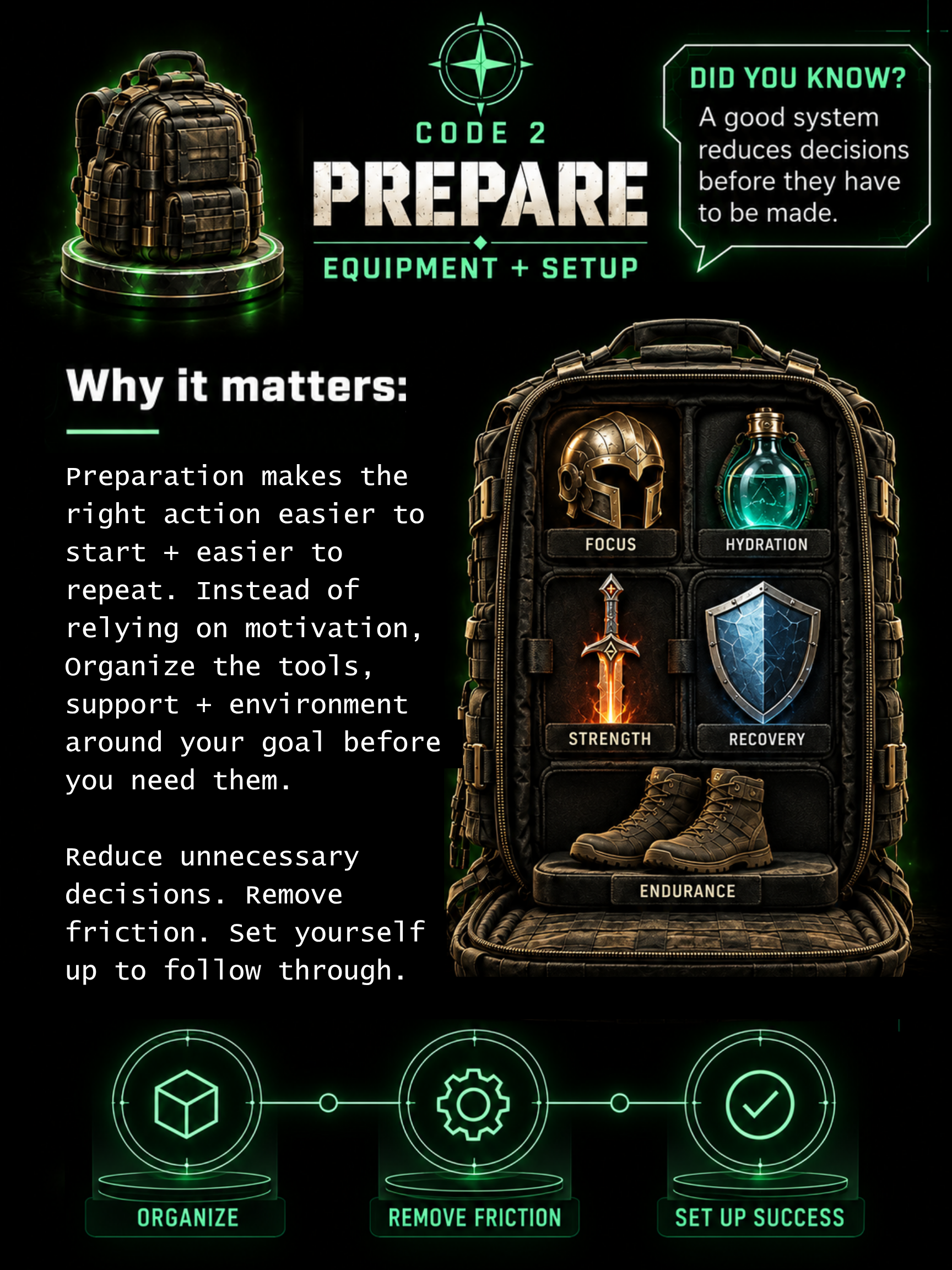
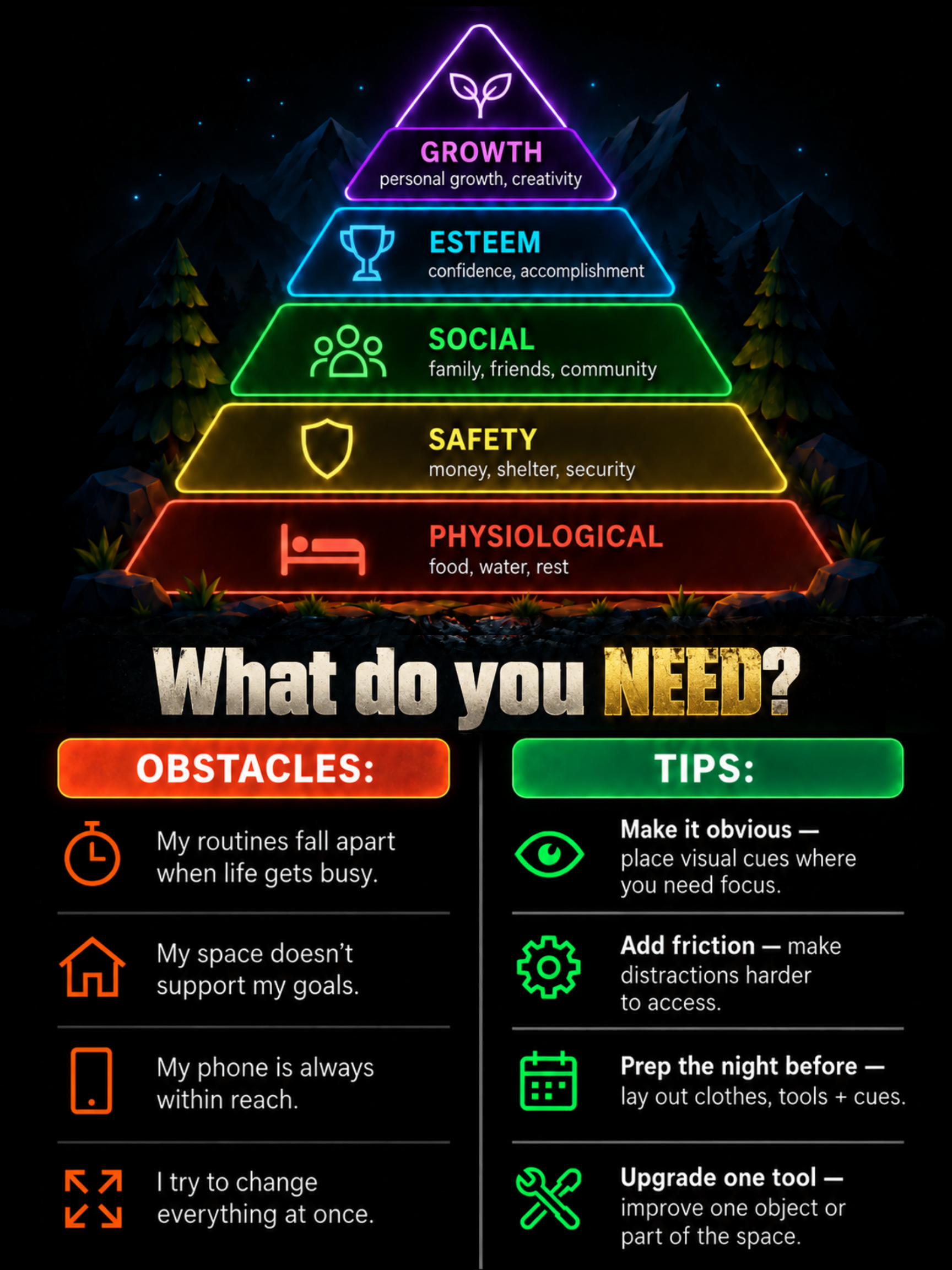
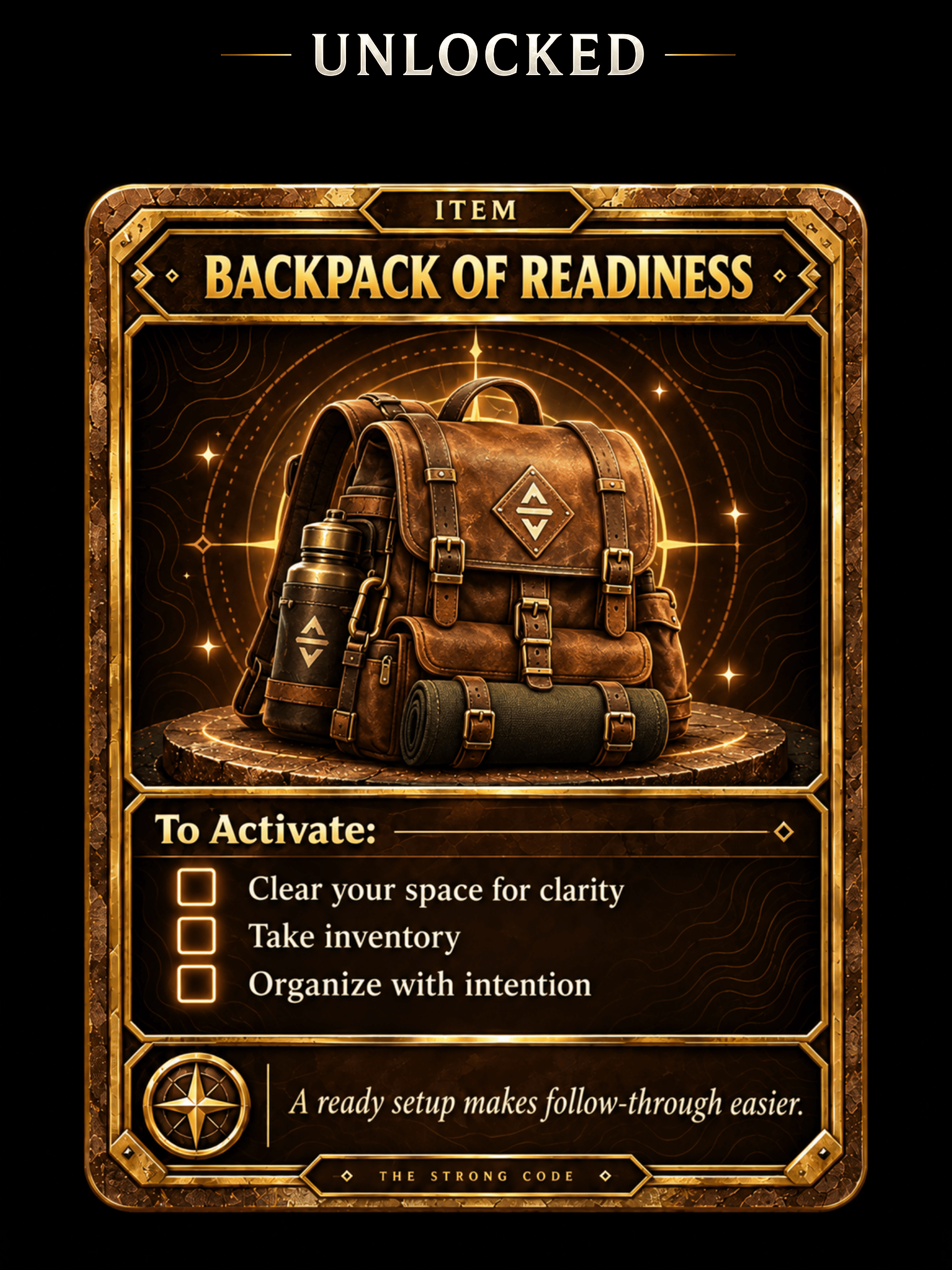
  • Consistency doesn’t come from discipline alone—it comes from how well you’re set up, which is why preparation focuses on managing your Three Currencies: your time, your skills, and your resources. Instead of hoping you’ll follow through, you decide when actions happen, what you need to improve, and what tools or support make progress easier, then you shape your environment to remove resistance by making good actions obvious and bad ones harder to fall into. That means setting up your physical space with visible cues, cleaning up your digital space to eliminate distractions, and aligning your social environment with people or systems that hold you accountable. When your setup is right, you don’t rely on willpower—you rely on a system that makes execution the default.

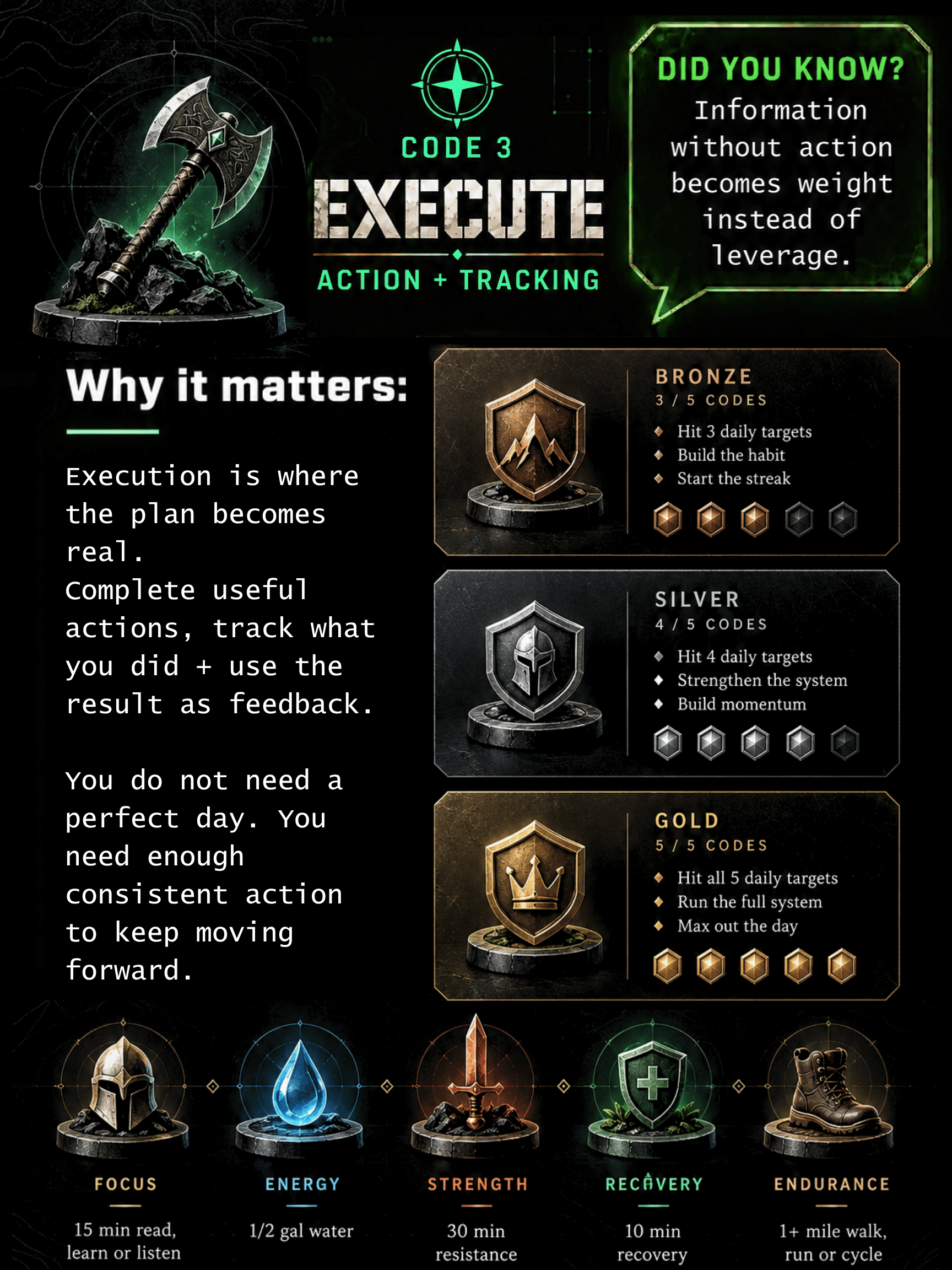
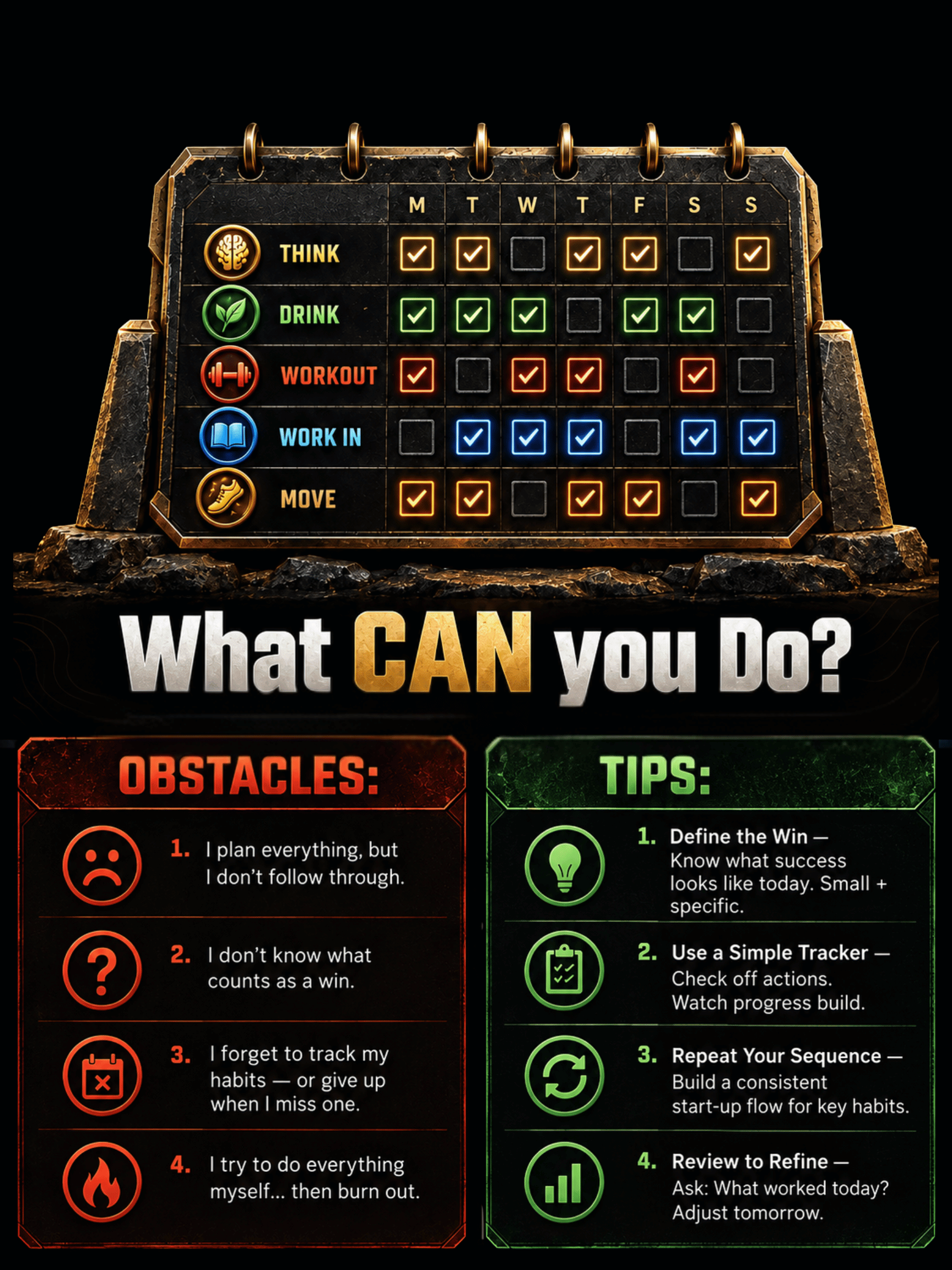
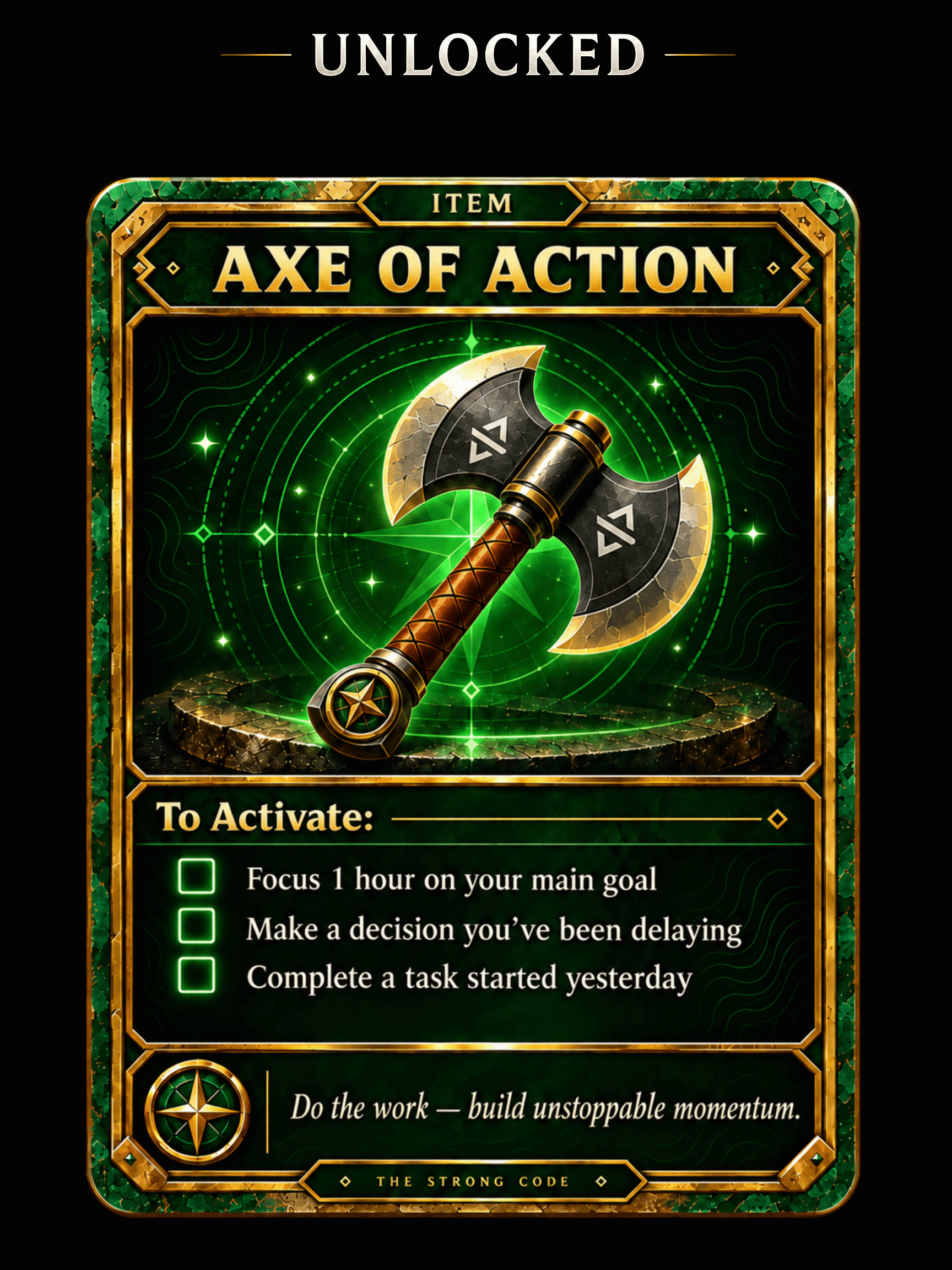
  • Execution is where most people overcomplicate things by thinking they need to do more, when in reality they need to do less but do it consistently. Progress is built through small, repeatable actions that compound over time, which is why the focus is on starting with the minimum effective dose, showing up daily, tracking what you do, and adjusting based on feedback instead of emotion. This is where your Daily Codes come in as your non-negotiable baseline—simple actions that keep you moving forward regardless of how you feel—because something will always beat nothing. When you execute this way, action builds identity, identity builds momentum, and momentum makes progress inevitable.

Next Steps :

  • Take 5 minutes & get clear on what you’re actually building. Write down who you want to become, what you want to have, what you want to do & how you want to feel. Don’t keep it in your head. Put it somewhere visible so it becomes real. Clarity is what gives your actions direction & without it you’ll keep drifting between ideas instead of committing to one path.

  • Look at your current routine & find the one thing that keeps slowing you down or stopping you from starting. Don’t try to fix everything. Just pick one problem that shows up often & decide how you can make it easier. Progress doesn’t come from doing more, it comes from removing what gets in the way.

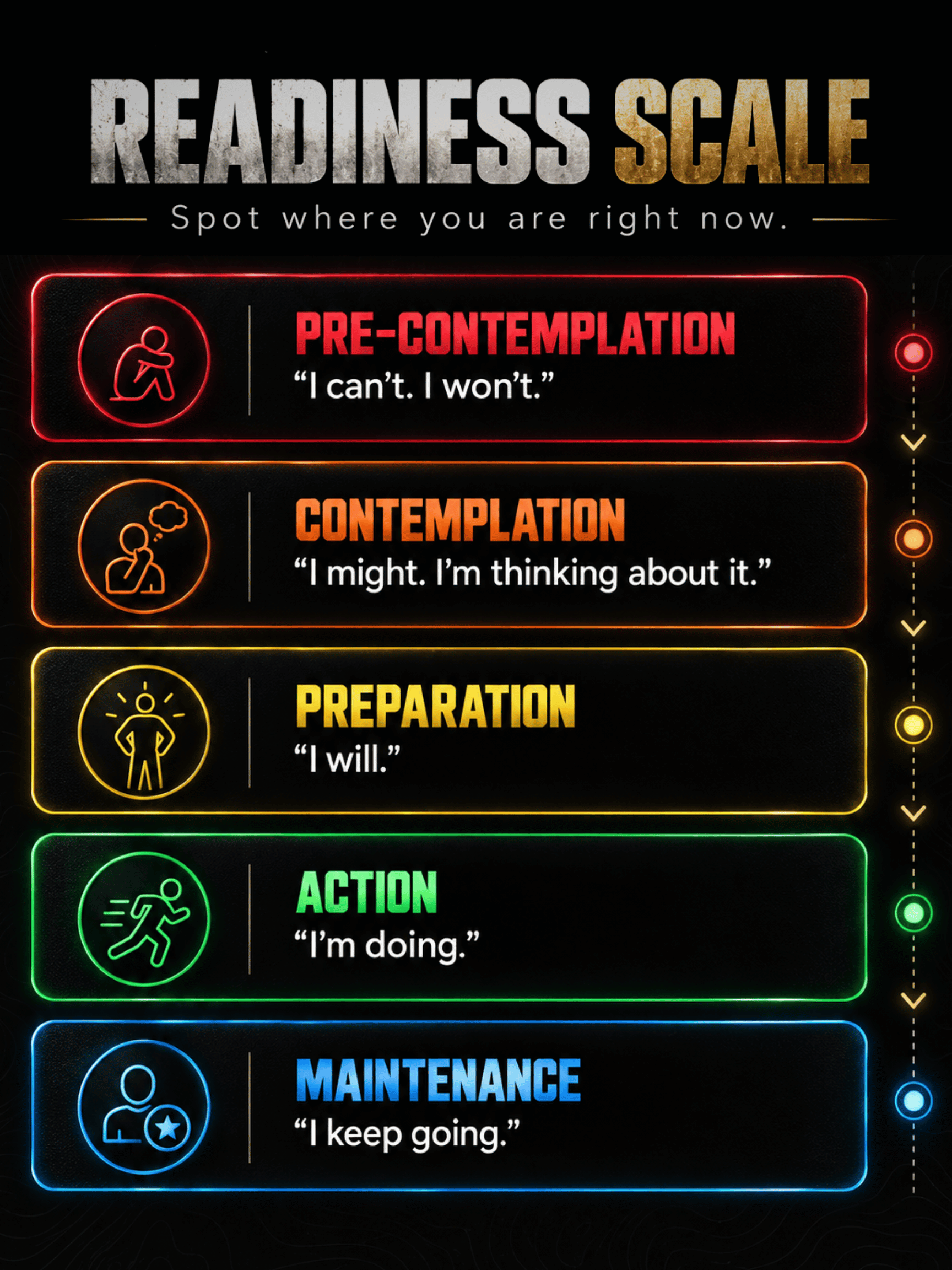
  • Don’t wait until everything is perfect. Choose one simple action you can complete today that moves you forward, even if it feels small. Set a reminder, write it down or start immediately. The goal isn’t intensity, it’s starting. Once you move, momentum follows.